
When it comes to creating sculptures, bronze is often the material of choice, especially for statues of great historical figures. But why is bronze so widely used, compared to other metals like iron or aluminum? The answer lies in its superior physical properties, affordability, and long-lasting durability.
Below, we’ll explore why bronze is the go-to material for sculptures by breaking it down into several key aspects.
1. Advantages of Bronze as a Material
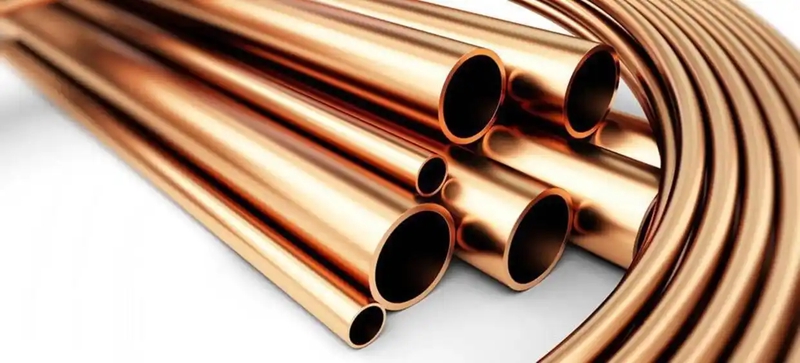
Excellent Material Properties
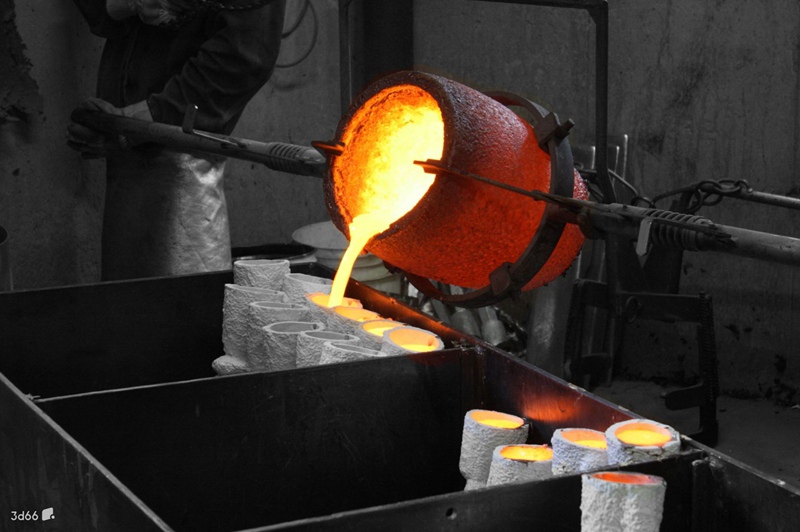
- Good Castability: bronzehas a moderate melting point (around 1085°C) and excellent fluidity, making it perfect for traditional casting techniques like the lost-wax method or block mold casting. It allows for precise reproduction of intricate designs.
- High Corrosion Resistance: In the presence of air, bronzeforms a dense patina of basic bronze carbonate (commonly known as verdigris), which acts as a protective layer against further corrosion. This makes it ideal for outdoor sculptures.
- Strength and Durability: bronzealloys, such as bronze (a bronze-tin alloy), are harder, more wear-resistant, and less likely to break than pure bronze, making them suitable for large or complex structures.
- Malleability and Workability: bronzeis easy to forge, roll, and weld, which allows for post-casting refinements and assembly.
Different Types of Bronze Alloys
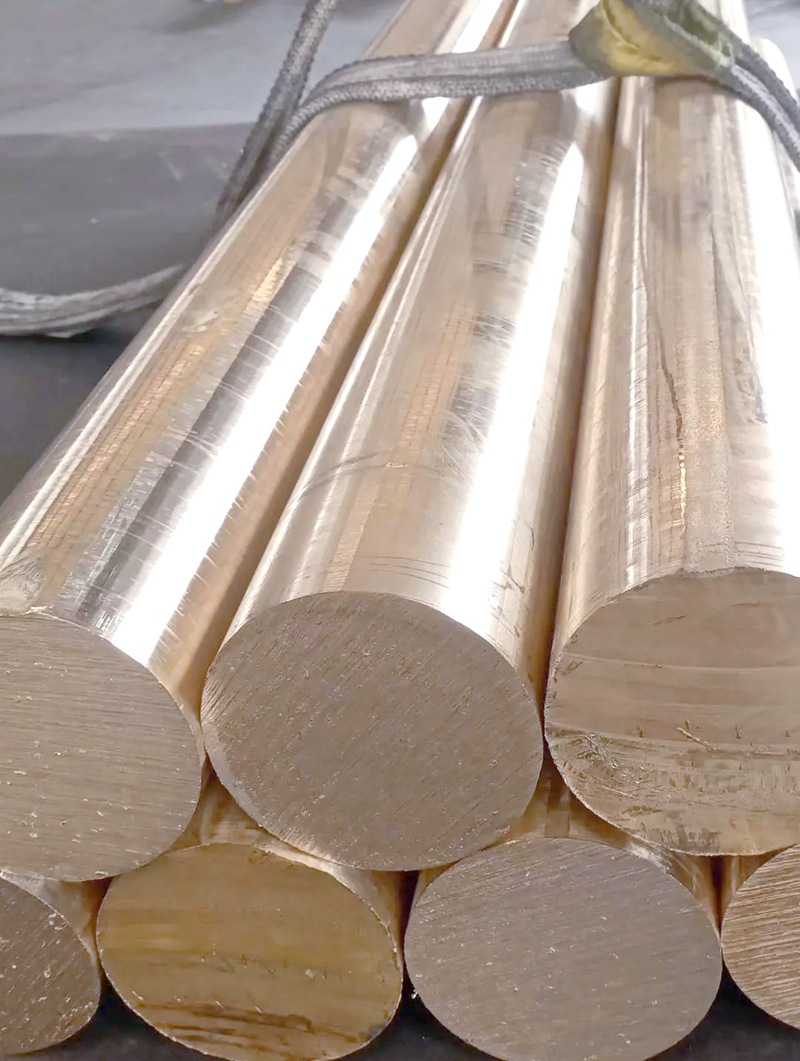
Bronze comes in various alloys, each with unique properties that cater to different sculptural needs. These include:
| Alloy | Properties | Applications |
| Brass | Low production cost, flexible for creating complex shapes and large castings. | Used for cost-effective, large-scale sculptures. |
| Pure bronze | High purity, dense structure, low porosity, and excellent conductivity. | Ideal for precision casting and detailed sculptures. |
| Bronze | Low melting point, high hardness, plasticity, wear resistance, corrosion resistance, and a bright finish. | Commonly used for statues, vessels, and intricate designs with precise dimensions and clear patterns. |
| Nickel Silver (White bronze) | Nickel enhances strength and corrosion resistance, with good ductility, high hardness, and an aesthetically pleasing silver-like appearance. | Often used for jewelry and small sculptures, offering a finish comparable to silver. |
2. Advanced Craftsmanship and Technology
Mature Casting Techniques
Bronze has been central to sculpture-making for centuries due to the availability of advanced casting methods. Ancient civilizations like China, Greece, and Rome mastered techniques like compound mold casting, lost-wax casting, and sectional casting. These methods allow for:
- Capturing fine details, such as facial expressions, hair, and clothing folds.
- Producing highly realistic or decorative sculptures.
Versatile Surface Treatments
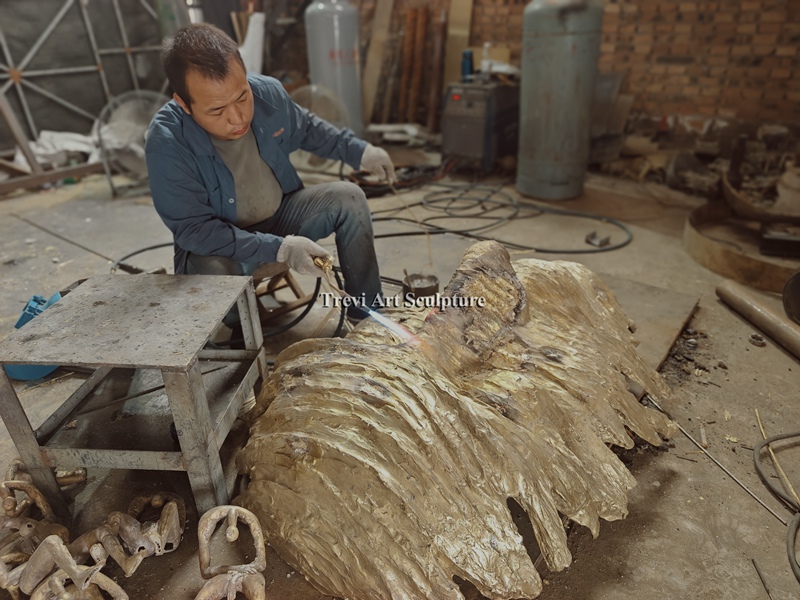
Bronze sculptures can be treated in various ways to enhance their artistic appeal. Techniques include gilding, inlaying, painting, and patina, allowing for a wide range of visual effects
3. Cultural and Symbolic Significance
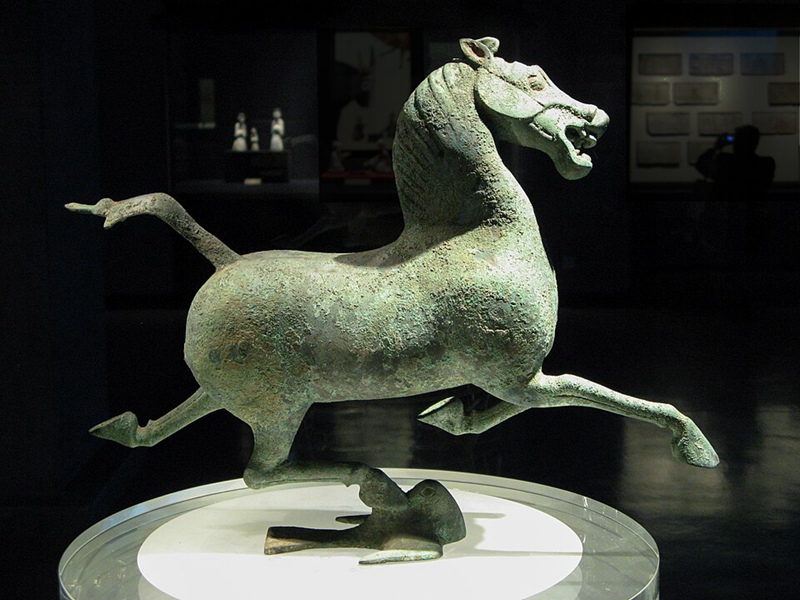
A Marker of Civilization
The use of bronze signifies the transition to the Bronze Age (circa 3500 BCE), a period marked by technological, religious, and cultural advancements.
Religious and Ritualistic Importance
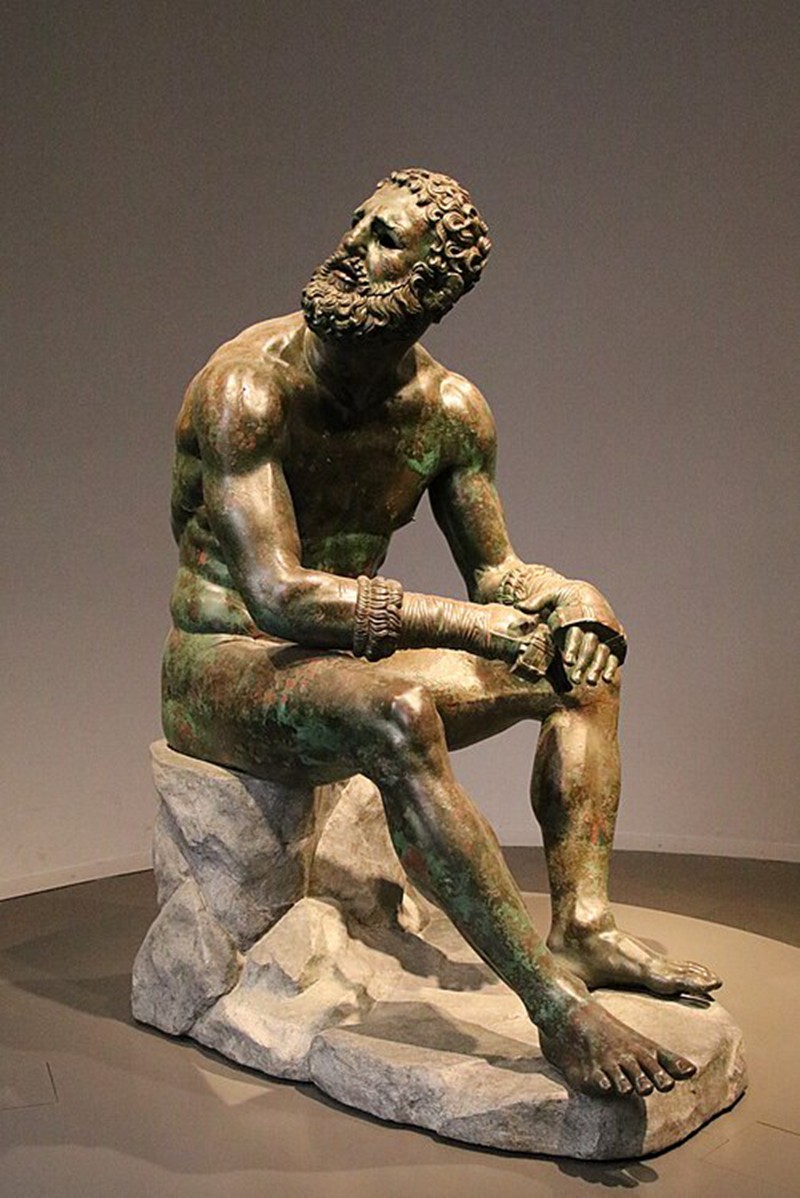
Bronze has been used in religious and spiritual contexts for millennia. Examples include:
- The bronze sculptures of the Sanxingdui civilization in China.
- Ancient Greek and Roman statues of gods and goddesses.
- bronze Buddha statues in Buddhist temples.
Symbol of Status and Authority
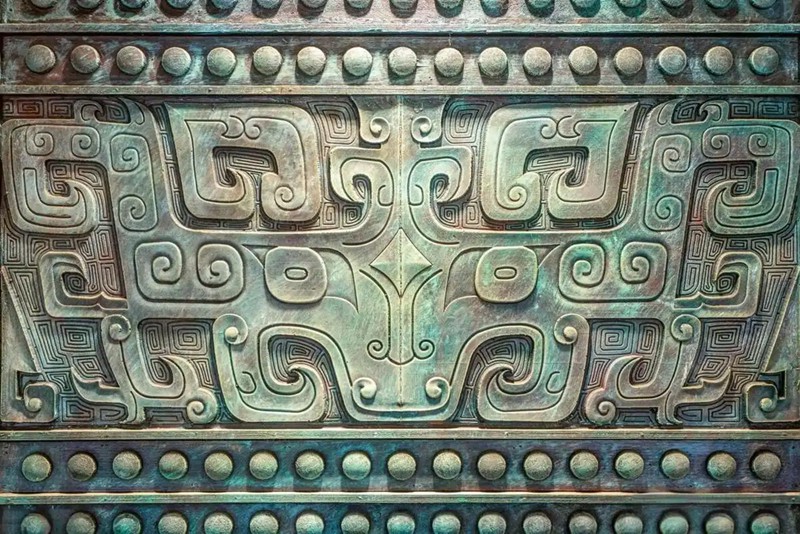
Bronze was historically considered a precious material. Large bronze sculptures were often commissioned by royalty, temples, or wealthy patrons to demonstrate power, wealth, and prestige.
4. Longevity and Practicality
Incredible Durability
Bronze sculptures can last for thousands of years, far outliving materials like wood or stone. For instance, bronze pipes discovered in the Great Pyramid of Giza are still functional after millennia.
Global Relevance
Bronze sculptures are present across cultures — from Mesopotamian artifacts to Chinese bronze vessels, from Indian statues to Mayan art. This cross-cultural adoption highlights its universal appeal.
Modern Applications
Even today, bronze remains irreplaceable in public art and functional design due to its electrical and thermal conductivity, weather resistance, and aesthetic versatility.
5. Our Factory’s Expertise in Bronze Sculptures
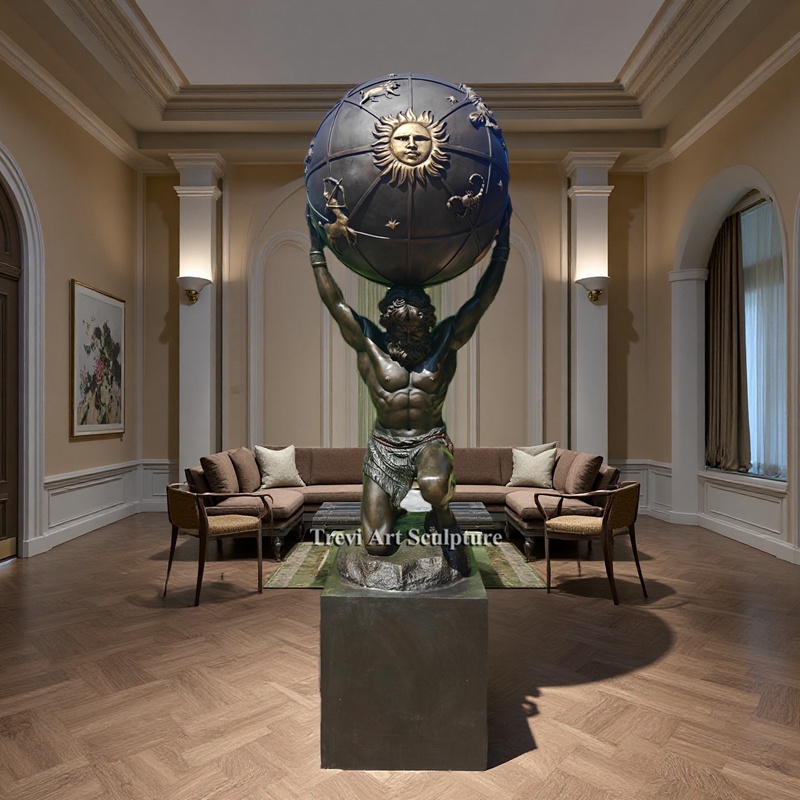
With over 40 years of experience in producing large-scale bronze sculptures, our factory has become a trusted partner for governments, churches, schools, and other institutions. We specialize in creating custom sculptures using advanced techniques and a deep understanding of bronze alloys. Some of our notable projects include:
- Monumental public art installations.
- Custom religious statues for large churches.
- Historical statues for schools and universities.
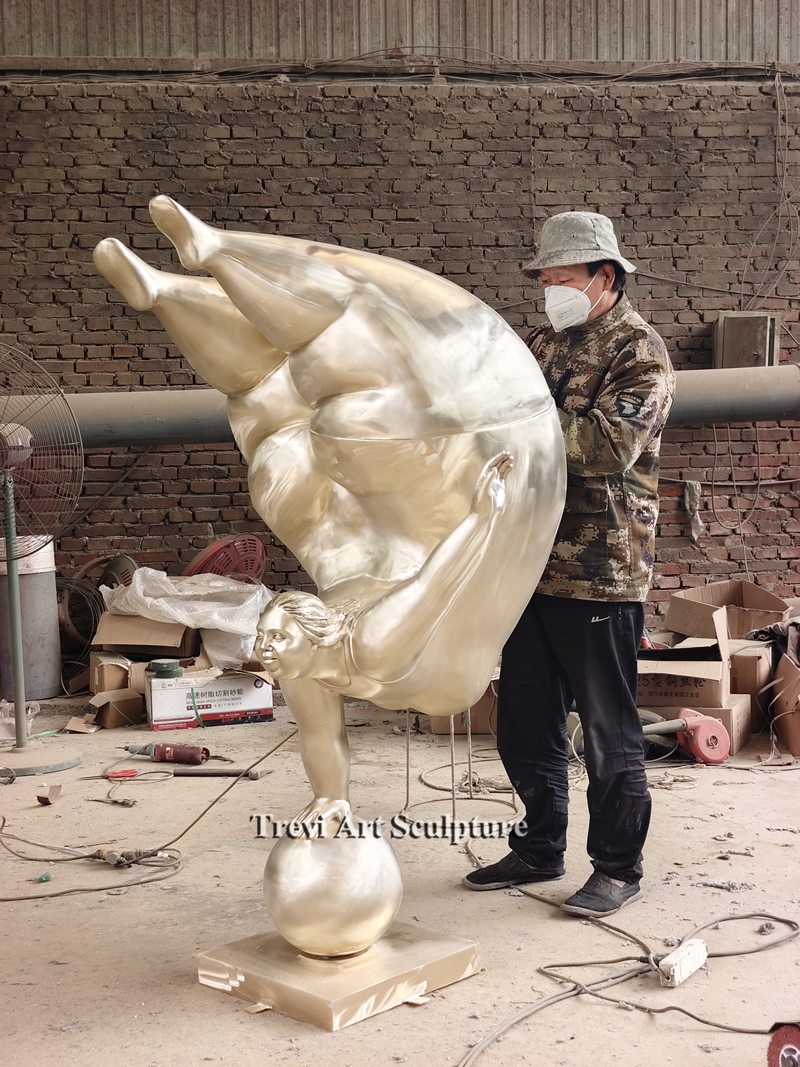
Interested in Custom bronze Sculptures? Contact Us!
If you’re interested in commissioning a custom bronze sculpture, we’d love to work with you. With decades of experience and a commitment to quality, we can bring your vision to life. Contact our factory today to learn more about our services and get started on your project!