
The Meaning of Fu Dogs
Fu Dogs are symbols in Chinese culture, often used to express blessings and good fortune. Dogs are one of the twelve animals in the Chinese zodiac, and Fu Dogs are typically depicted as adorable, loyal, and lively creatures. They are often shown with a red ribbon and the Chinese character “福” (meaning “blessing”), symbolizing happiness, luck, and prosperity. Fu Dogs also represent people’s hopes for a bright future.
Despite their name, Fu Dogs are not actually dogs. They are highly stylized lions rooted in Chinese tradition and Buddhist symbolism.
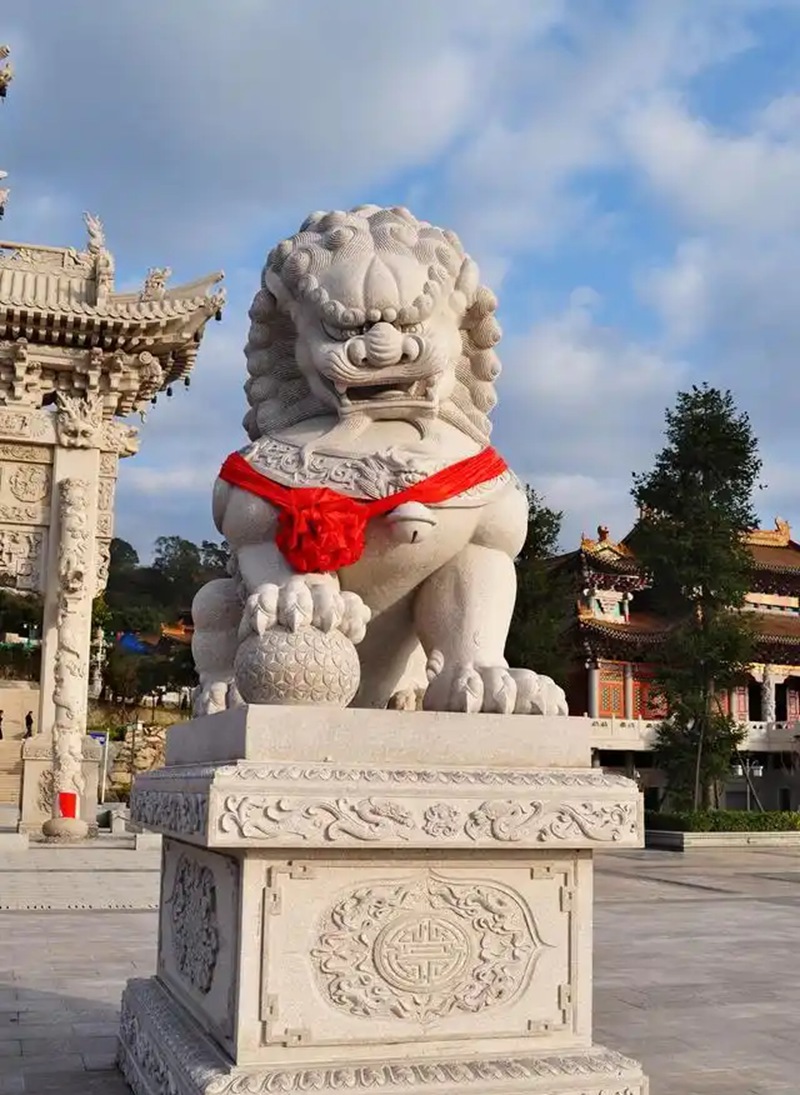
Origins and Cultural Exchange
The origins of Fu Dogs can be traced back to the Han Dynasty (206 BCE–220 CE), when the concept of lion guardians was introduced to China through cultural exchanges with Central Asia, India, and Persia.
Since lions were not native to China, artists combined the features of real lions with those of local dog breeds, creating a unique symbol that blended imagination with realism. These stylized lions first appeared in Buddhist imagery and quickly became iconic symbols outside temples and in Chinese culture as a whole.
Fu Dogs in Chinese Traditions
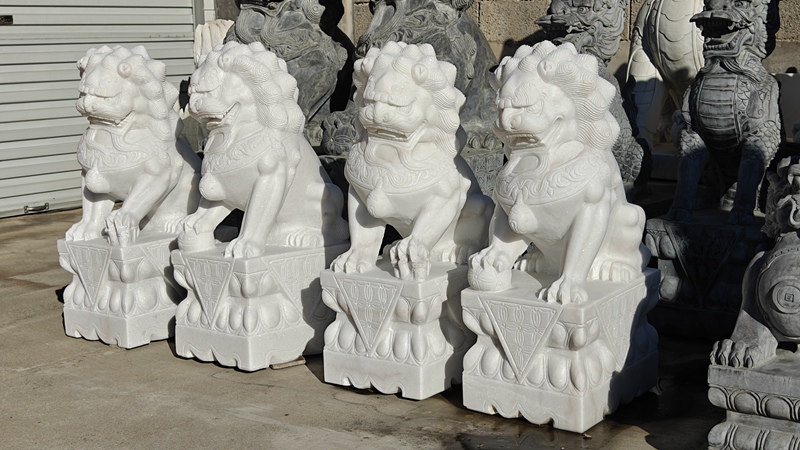
Fu Dogs are widely used in Chinese customs, especially during festive occasions like the Lunar New Year. People use Fu Dog decorations to symbolize blessings and protection. For example, a pair of Fu Dogs might be placed at the entrance of a home, or their images might appear on New Year greeting cards.
In traditional Chinese weddings, Fu Dogs are also commonly used to bring good wishes for a happy and harmonious marriage.
Fu Dogs in Literature and Art
Fu Dogs also feature prominently in Chinese literature and art. Ming Dynasty writer Feng Menglong once wrote a piece titled Ode to the Fu Dog, praising the loyalty, intelligence, and devotion of dogs.
Fu Dogs have also inspired many painters and sculptors, who use their images to convey hopes for a better future. The Fu Dog’s artistic representation remains a popular theme in Chinese cultural works.

Fu Dogs Always Come in Pairs
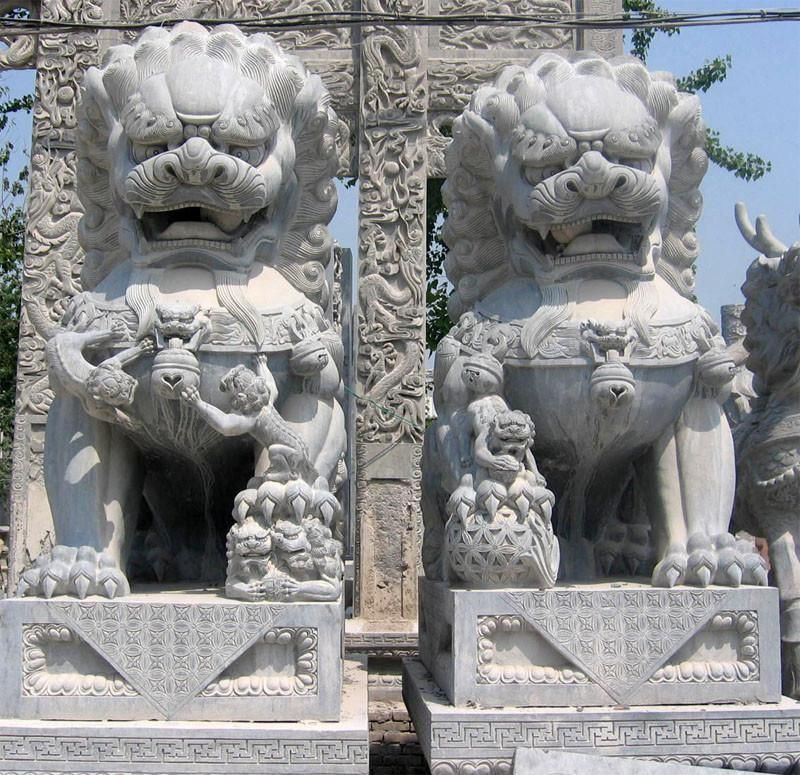
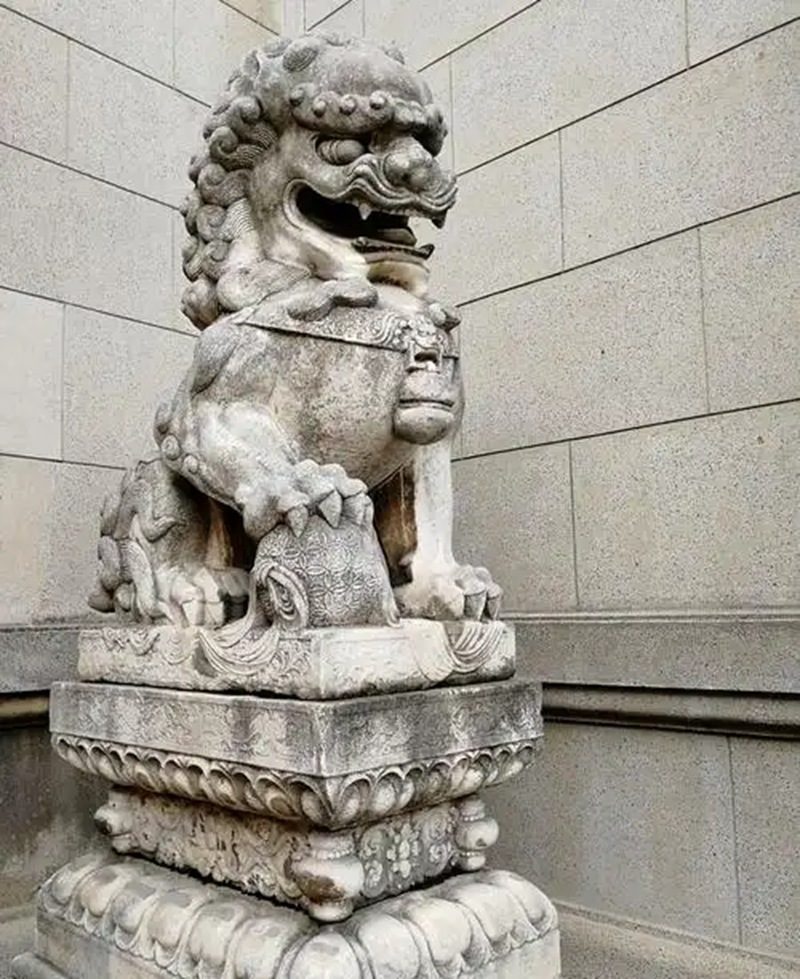
Fu Dogs are always displayed in pairs to represent balance and strength. The male Fu Dog typically has one paw resting on a ball, symbolizing worldly power and protection over earthly matters. The female Fu Dog is often depicted restraining a playful cub, symbolizing life, family, and nurturing.
These guardian lions also represent transformation and spiritual vigilance, often linked to Buddha and Buddhist protection. Whether placed outside sacred sites or homes, Fu Dogs are seen as a bridge between human life and divine protection.
When you walk past the gates of temples or palaces, you may notice a pair of stone statues resembling lions but with stylized features. These grand sculptures are more than mere decorations; they are symbols of protection and prosperity, commonly referred to as Fu Dog sculptures.
Symbolism in Art and Architecture
Some Fu Dogs have closed mouths, while others have open ones, symbolizing the beginning and end of all things. Their outstretched claws give them a fierce and dignified appearance.
Fu Dogs often feature curled manes, decorative armor, or stylized flames. Sometimes, Fu Dogs are depicted alongside unusual patterns, like ostriches or mythical designs, reflecting the diverse tastes of the Qing Dynasty and the global influence on Chinese art.
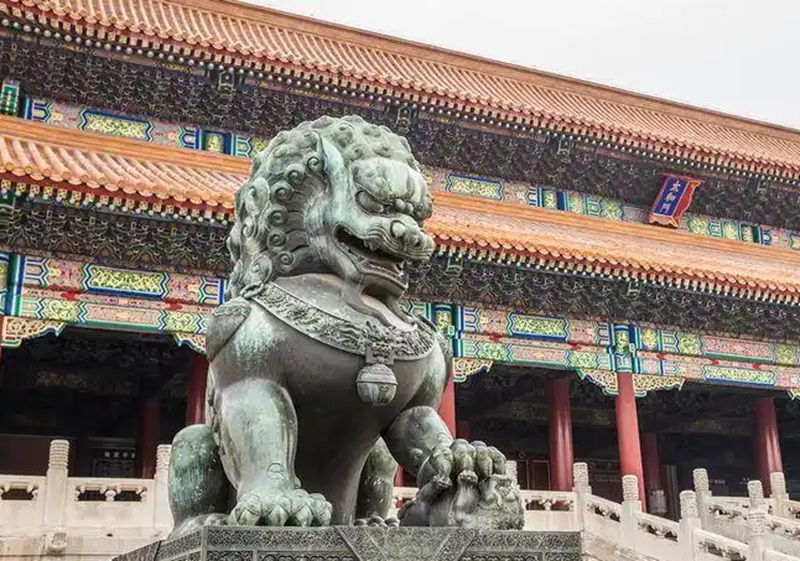
In Chinese art and sculpture, Fu Dogs became highly popular. They are commonly found outside temples, palaces, and government buildings. Their presence symbolizes both spiritual protection and state power.
One of the most famous examples is the massive bronze Fu Dog sculptures guarding the gates of the Forbidden City in Beijing. These statues, created during the Ming Dynasty, were later refined, reflecting the evolving beliefs and aesthetics of various Chinese dynasties.
Sculpted guardian lions are also common in other East Asian cultures, not just in China. In Korea, for example, carved stone guardian animals often stand watch over tombs and temples.
What Are Fu Dogs Made Of?
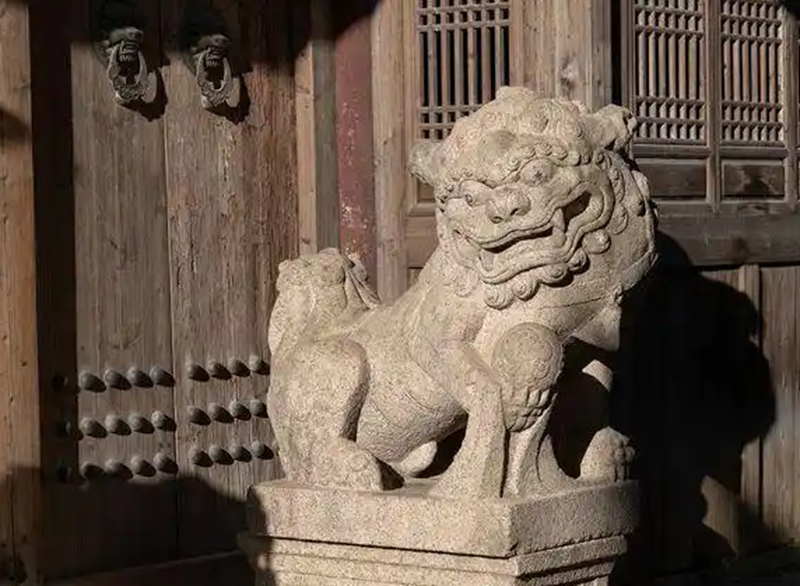
During the Ming and Qing Dynasties, Fu Dog sculptures were commonly made from stone, bronze, or sometimes clay. Many of these sculptures still stand at entrances today.
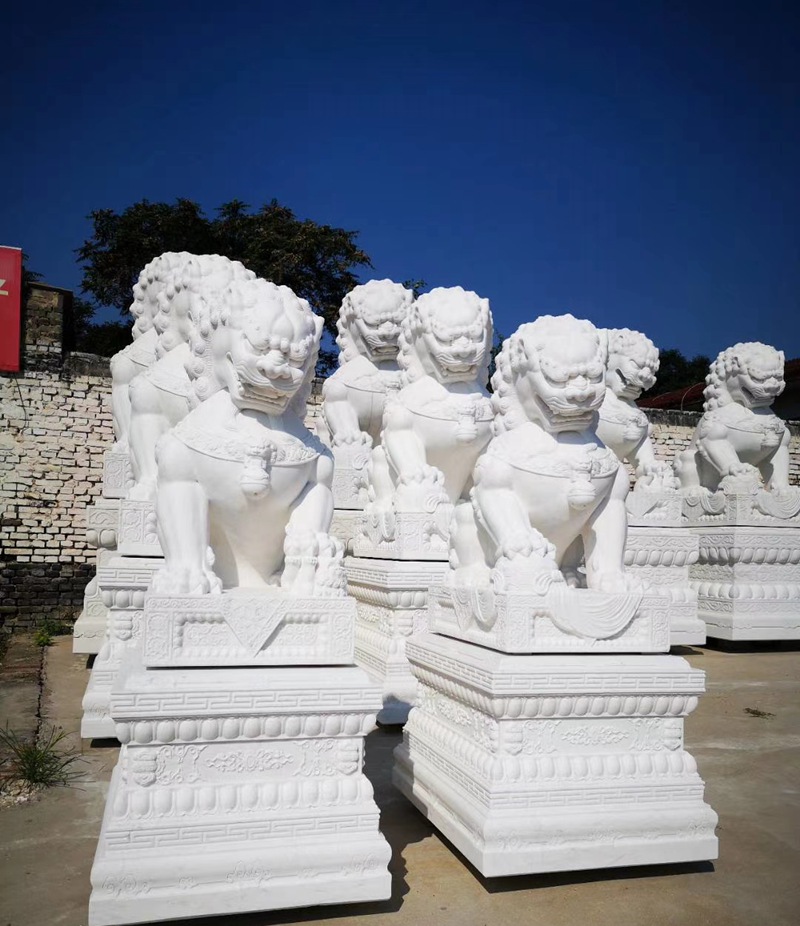
In modern times, Fu Dogs are often crafted from marble or bronze because these materials offer both durability and aesthetic appeal.
Guardians Across Time
Fu Dogs have been revered throughout Chinese history. During the Han Dynasty, lions were introduced as exotic animals and symbols of power. Over time, they became closely associated with divine authority and the legitimacy of the state.
By the Ming and Qing Dynasties, Fu Dog designs became more sophisticated, showcasing the evolving tastes of the ruling class and the artistic depth of Chinese craftsmen.
These sculptures were not only symbolic but also functional, believed to ward off negative energy. Placed at the entrances of homes and public buildings, Fu Dogs became important symbols of status and security.
Global Influence and Academic Research
Today, Fu Dogs have gained global recognition and are displayed in museums such as The Metropolitan Museum of Art, highlighting their influence on both Eastern and Western art. Scholars like Elizabeth Bedford and Martha Chai Klin have explored how Fu Dogs reflect the power and prestige of Chinese dynasties, particularly during the Han court and the cultural flourishing of the Ming Dynasty.
Their research shows that Fu Dog sculptures are not merely decorative but are part of a broader system of symbolic representation. These guardian lions convey values, reinforce social order, and even serve diplomatic functions through art and gifting.
Today’s Fu Dogs
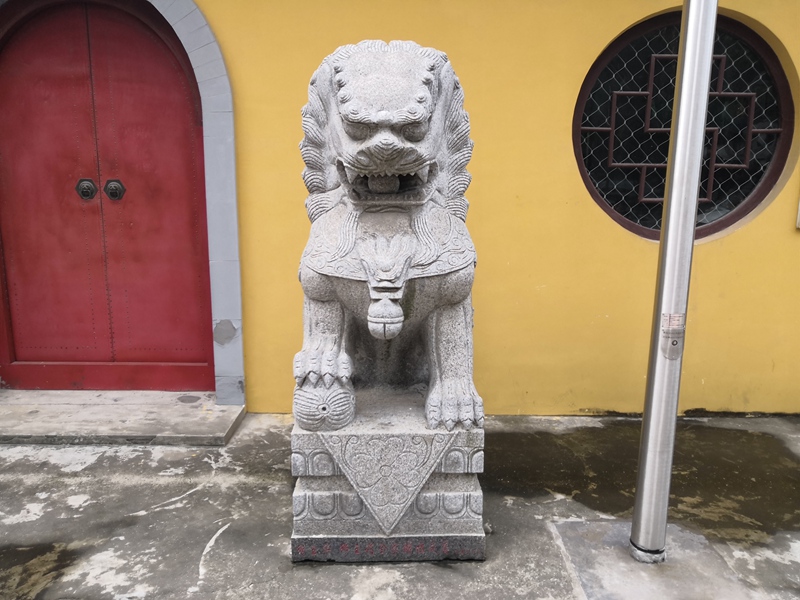
Fu Dog sculptures have transcended time and geography, becoming popular far beyond China’s borders. In addition to their deep cultural significance in China, these guardian lions are highly appreciated in Western countries, as well as in Southeast Asian nations like Thailand, Vietnam, and Cambodia. Often seen in temples, gardens, and private estates, Fu Dog sculptures are admired for their artistic value, spiritual symbolism, and as a representation of prosperity and protection.
In Western countries, Fu Dogs are frequently used as decorative elements in homes, businesses, and museums, blending seamlessly with both traditional and modern aesthetics. Their imposing yet elegant appearance makes them a favorite choice for those seeking to add a touch of cultural sophistication. In Southeast Asia, Fu Dogs are often displayed outside temples and shrines, where they continue to serve as powerful symbols of spiritual guardianship and cultural heritage.
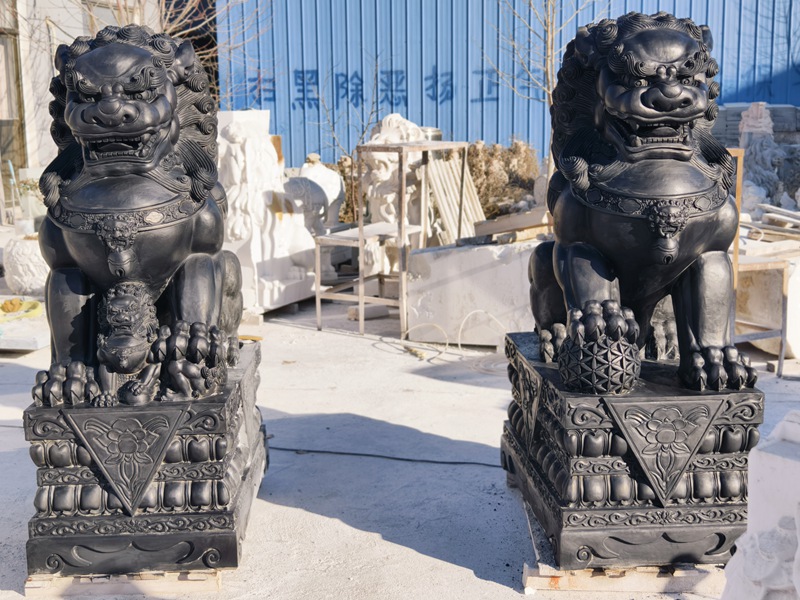
At our factory, we are proud to carry on the tradition of crafting exquisite Fu Dog sculptures. With a long history of producing high-quality sculptures, we specialize in creating Fu Dogs from a variety of materials, including stone, bronze, and ceramic. Whether you’re looking for a majestic pair of large-scale Fu Dogs for a grand entrance or a smaller, intricate design for interior decoration, we can customize our products to meet your specific needs.
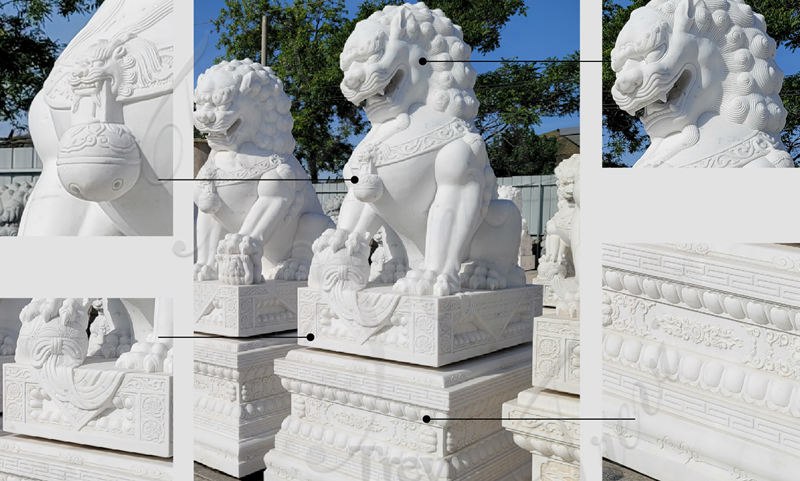
If you’re interested in adding the beauty and protection of Fu Dog sculptures to your space, please feel free to contact us for a quote. We look forward to helping you bring this iconic symbol of prosperity and protection into your life!


