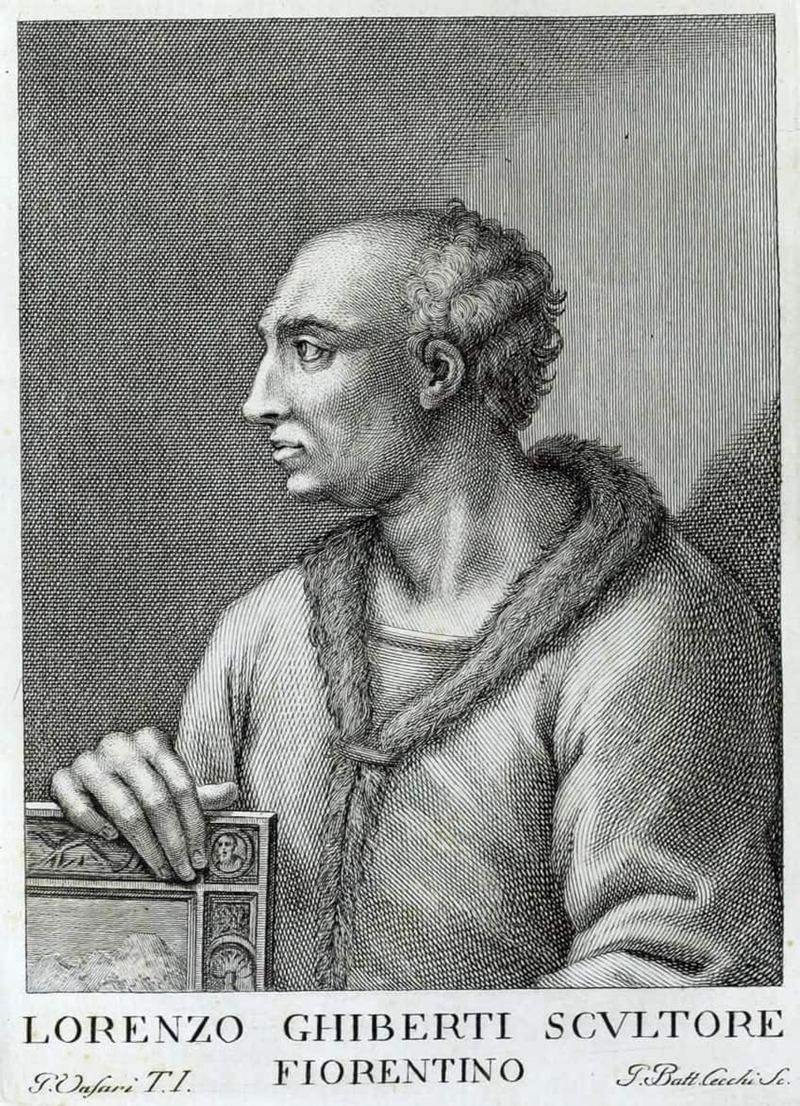
The Gates of Paradise, created by the renowned Italian artist Lorenzo Ghiberti, is one of the most celebrated masterpieces of the Italian Renaissance. These magnificent bronze doors, which adorn the eastern entrance of the Baptistery of San Giovanni in Florence, Italy, are a testament to Ghiberti’s skill, artistic vision, and innovative approach to sculpture. This blog provides a detailed overview of the history, design, techniques, and legacy of this iconic work of art.

Historical Background
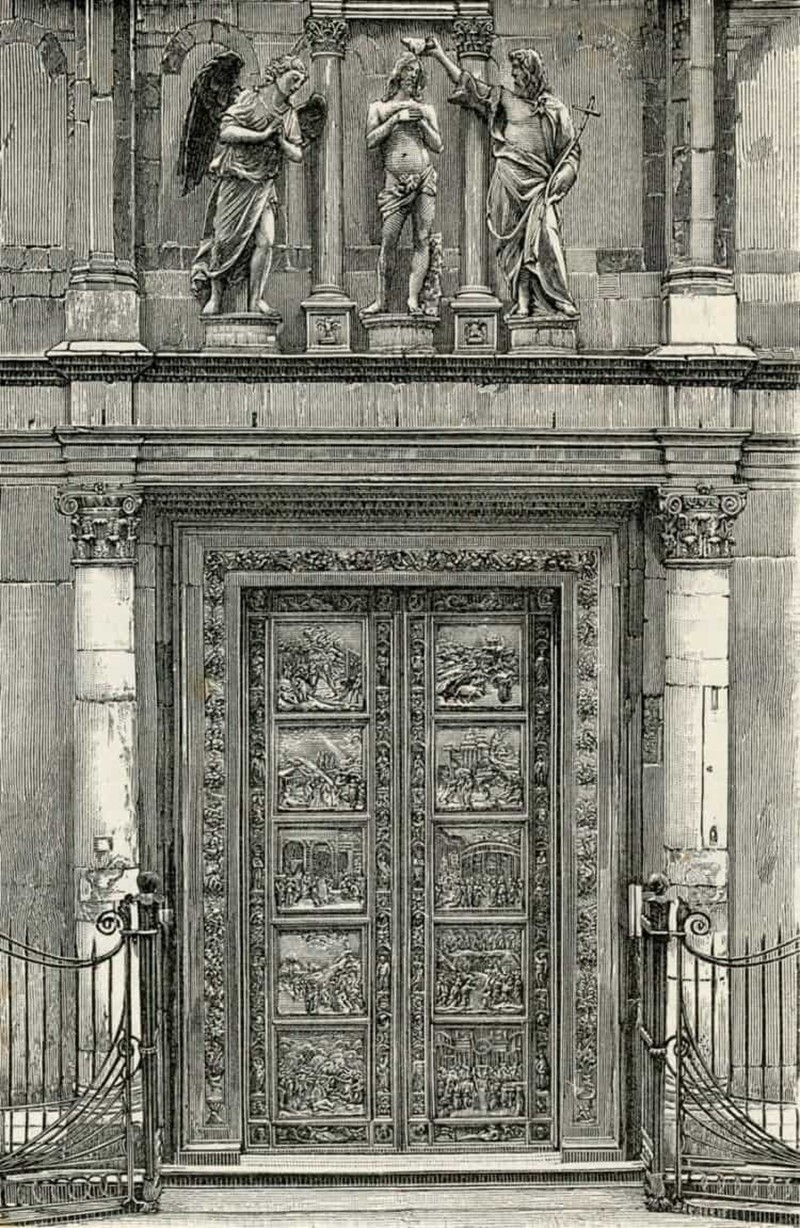
The Gates of Paradise were commissioned in 1425 by the Arte di Calimala, the guild responsible for the maintenance of the Baptistery. This commission came after Ghiberti’s earlier success in creating the North Doors of the same Baptistery, which he completed in 1424. His work on the North Doors had already solidified his reputation as a master sculptor and ensured his selection for this new, more ambitious project.
The name “Gates of Paradise” was famously coined by Michelangelo, who reportedly said that these doors were so beautiful they could serve as the gates to heaven. This name has endured over the centuries, reflecting the awe and reverence inspired by Ghiberti’s work.
The Current Location of the Gates of Paradise
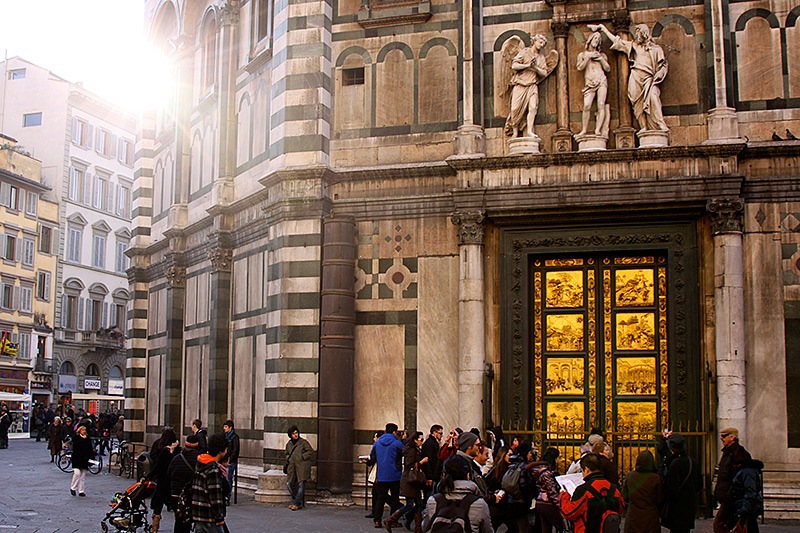
The original Gates of Paradise no longer adorn the eastern entrance of the Baptistery of San Giovanni in Florence. Due to centuries of exposure to the elements, the doors suffered significant weathering, corrosion, and damage. Recognizing their historical and artistic value, authorities decided to replace the original doors with replicas to ensure their preservation.
The original Gates of Paradise are now housed in the Museo dell’Opera del Duomo (Museum of the Works of the Cathedral), located just steps away from the Florence Cathedral (Duomo). Here, they are displayed in a specially designed, climate-controlled room that protects them from further environmental damage. This setting allows visitors to admire the intricate details of Lorenzo Ghiberti’s work up close, something that was difficult when the doors were mounted on the Baptistery.
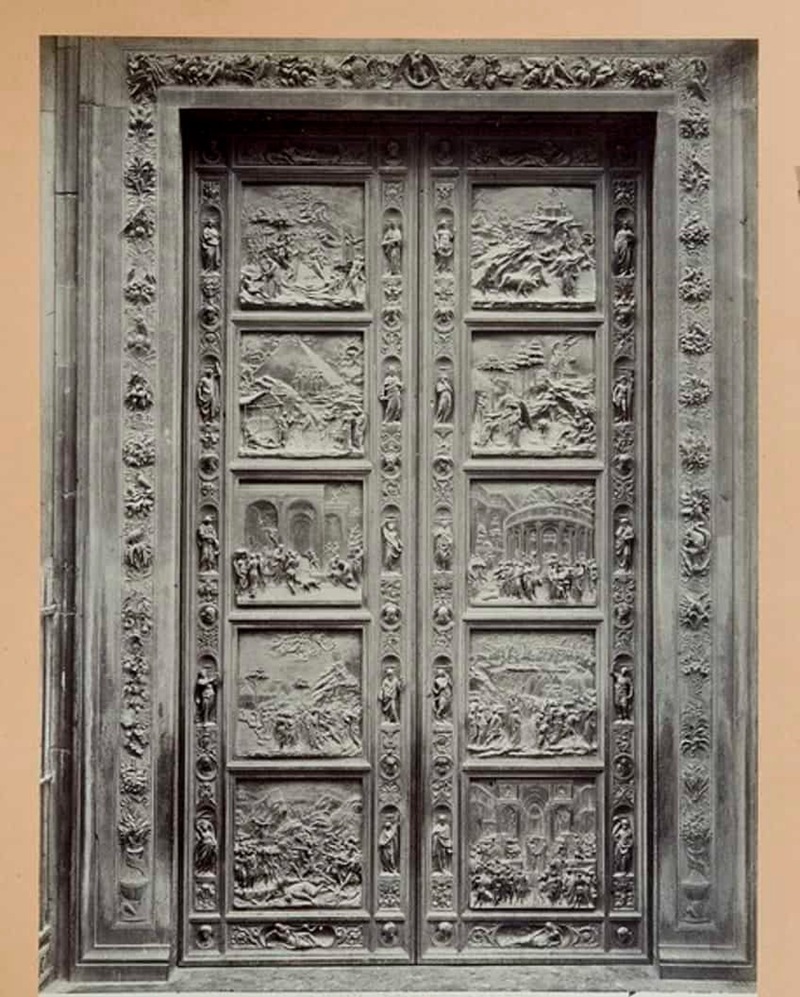
The museum provides a comprehensive context for the doors, offering insights into their creation, history, and restoration. Visitors can also learn about the innovative techniques Ghiberti employed, as well as the challenges he faced during the 27-year-long project. The relocation of the original doors to the museum has ensured their legacy is preserved for future generations.
Design and Structure
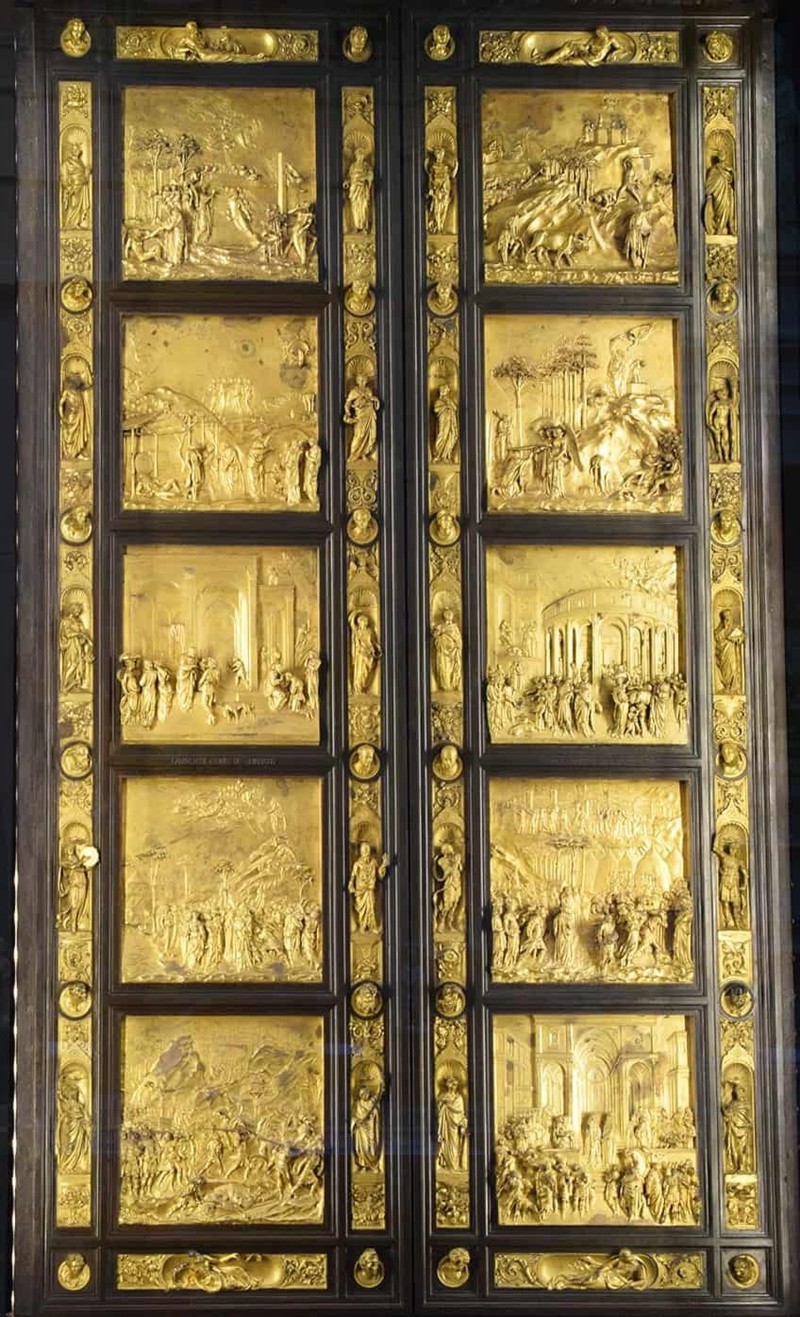
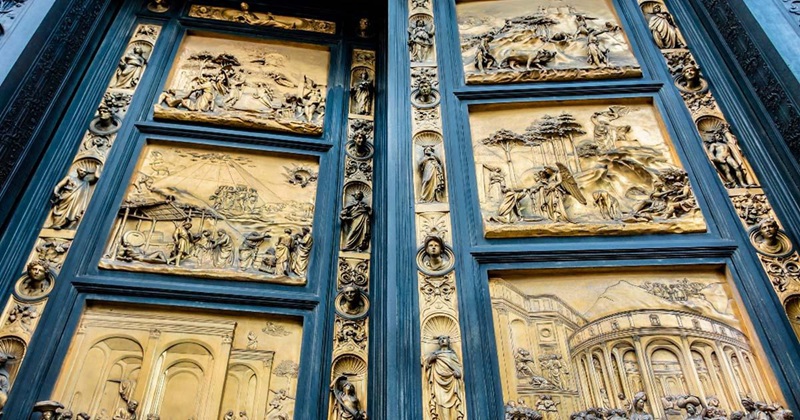
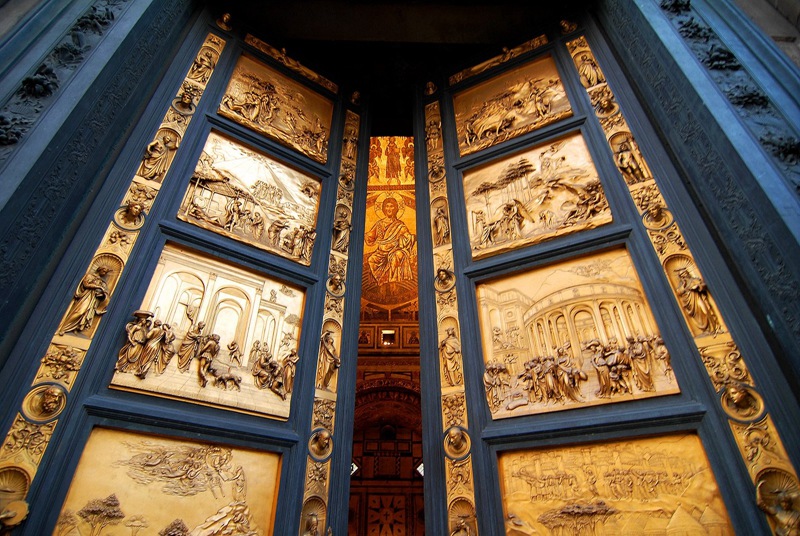
The Gates of Paradise consist of ten large panels, each depicting a scene from the Old Testament. These panels are surrounded by intricate frames that include smaller biblical figures, prophets, and decorative motifs. The ten scenes are arranged in two vertical rows of five and include:
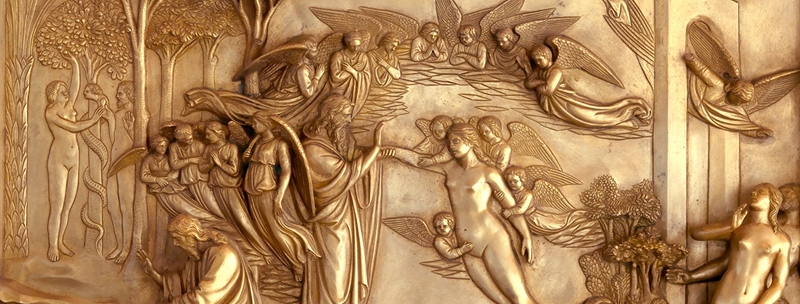
The Creation of Adam and Eve
The Story of Cain and Abel
Noah’s Ark
The Sacrifice of Isaac
Jacob and Esau
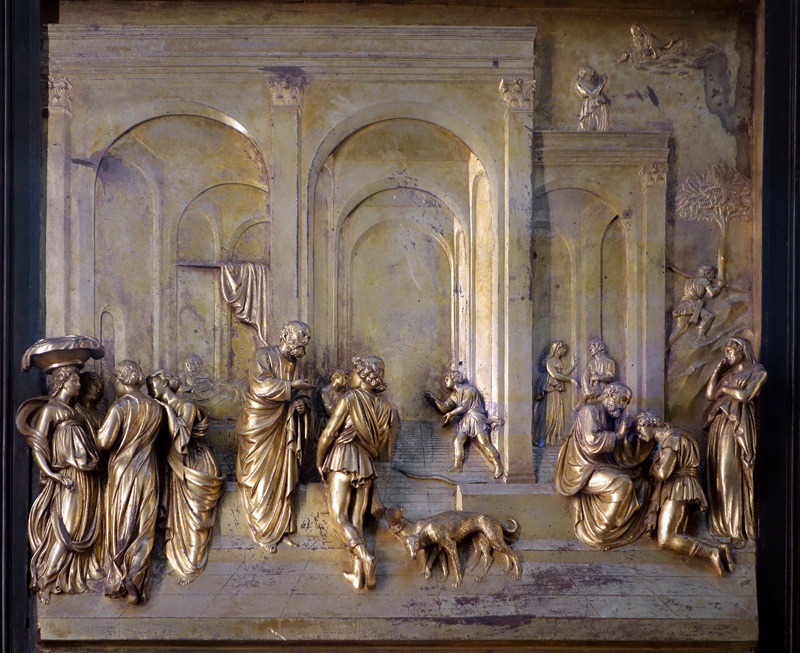
Joseph’s Story
Moses Receiving the Ten Commandments
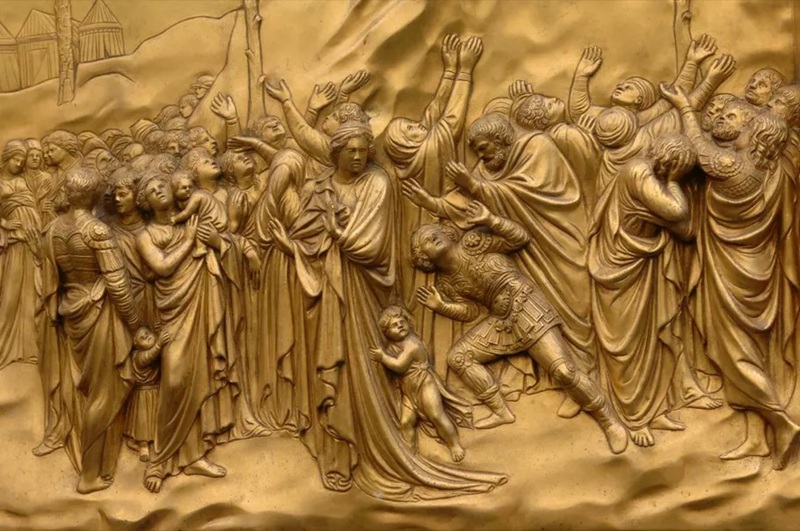
The Fall of Jericho
David and Goliath
The Queen of Sheba Visits Solomon
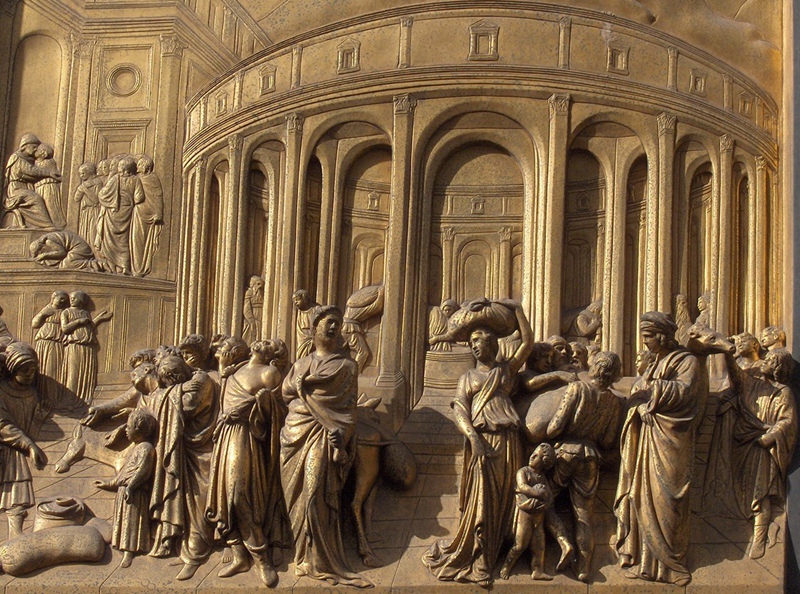
Each panel tells its story using a combination of narrative depth, symbolism, and spatial complexity. Ghiberti employed a revolutionary use of linear perspective, a technique that was relatively new at the time, to create a sense of depth and realism. This innovation allowed the scenes to appear almost three-dimensional, drawing viewers into the narratives.
Artistic Techniques
Ghiberti’s work on the Gates of Paradise was groundbreaking not only for its artistic vision but also for its technical execution. Some of the key techniques and innovations include:
Lost-Wax Casting: Ghiberti used the lost-wax technique to cast the bronze panels. This method involved creating a wax model of the design, covering it with a mold, and then melting the wax away to leave a cavity for molten bronze. This allowed for incredibly detailed and intricate designs.
Gilding: The panels were gilded with gold, giving them a luminous quality that enhanced their visual impact. This gilding has been partially restored in modern times to bring back its original brilliance.
Perspective and Depth: Ghiberti was one of the first artists to use linear perspective systematically. By incorporating overlapping figures, varied relief depths (from high relief to bas-relief), and diminishing scale, he created a dynamic sense of space within each panel.
Naturalism: The figures in the panels are remarkably lifelike, with detailed expressions, realistic anatomy, and flowing drapery. Ghiberti’s study of classical sculpture and human anatomy is evident in the naturalism of his figures.
Narrative Composition: Each panel tells a complex story, often combining multiple moments from the same biblical narrative into a single composition. This storytelling technique required careful planning and artistic mastery to ensure clarity and coherence.
The Creation Process
Ghiberti worked on the Gates of Paradise for 27 years, from 1425 to 1452. He was assisted by a team of skilled craftsmen and apprentices, including his son Vittorio Ghiberti. Lorenzo Ghiberti not only designed and sculpted the panels but also supervised every stage of the process, ensuring the highest level of quality.
The project was a monumental undertaking, requiring meticulous attention to detail, exceptional craftsmanship, and an unwavering commitment to artistic excellence. Ghiberti’s dedication is evident in the final product, which stands as a pinnacle of Renaissance art.
Restoration and Preservation
Over the centuries, the Gates of Paradise suffered from environmental damage, including corrosion and weathering. In the 20th century, the doors were removed from the Baptistery and replaced with replicas to preserve the originals. The original doors underwent a detailed restoration process and are now displayed in the Museo dell’Opera del Duomo in Florence, where they can be admired in a controlled environment.
The restoration revealed the extraordinary craftsmanship of Ghiberti and helped preserve the intricate details of his work for future generations. The replicas installed at the Baptistery ensure that the beauty of the Gates of Paradise can still be appreciated in their original context.
Legacy and Influence
The Gates of Paradise had a profound impact on the art and culture of the Renaissance. Ghiberti’s innovative use of perspective and naturalism influenced countless artists, including Donatello, Masaccio, and even Leonardo da Vinci. His work marked a turning point in the history of art, bridging the medieval and Renaissance periods and setting new standards for technical and artistic achievement.
Art historians continue to study the Gates of Paradise as a masterpiece of storytelling, design, and craftsmanship. Their enduring beauty and historical significance make them a symbol of the artistic brilliance of the Renaissance.
Replicas of the Gates of Paradise
In 1990, replicas of the Gates of Paradise were installed on the Baptistery’s eastern entrance, allowing the public to continue experiencing the grandeur of this masterpiece in its original architectural context. The replicas were crafted using advanced techniques to faithfully reproduce the intricate details and gilded brilliance of Ghiberti’s design.
Today, the replicas of the Gates of Paradise remain a major attraction in Florence, drawing millions of visitors annually. While they are not the originals, they are a testament to the dedication and skill of modern restorers and craftsmen. Standing before these replicas, visitors can still experience the awe-inspiring beauty that Michelangelo once praised as worthy of heaven itself.
The Gates of Paradise is more than a set of bronze doors; it is a testament to human creativity, ingenuity, and the pursuit of excellence. Lorenzo Ghiberti’s masterpiece continues to inspire awe and admiration nearly six centuries after its completion. Whether viewed in the Museo dell’Opera del Duomo or studied through photographs and reproductions, the Gates of Paradise remain a shining example of the transformative power of art.
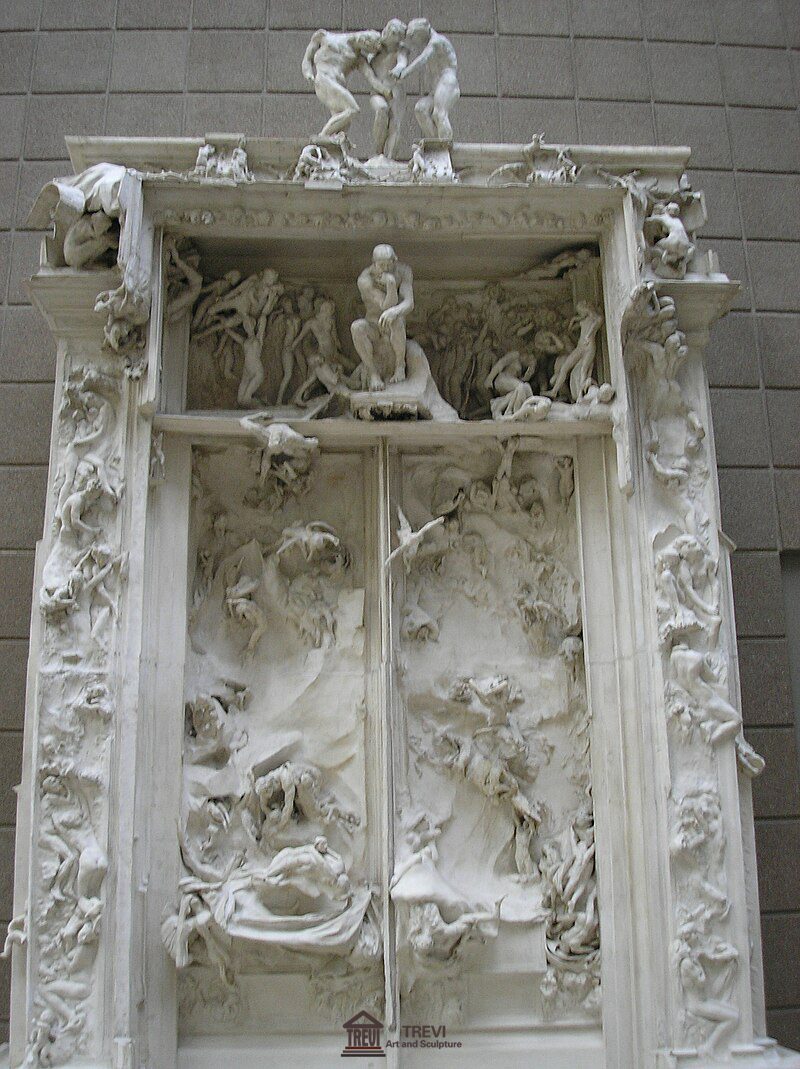
Additionally, aside from the Gates of Paradise, Rodin’s Gates of Hell is another renowned sculpture worth exploring. If you’re interested in replicating these masterpieces, feel free to contact us for top-quality service!